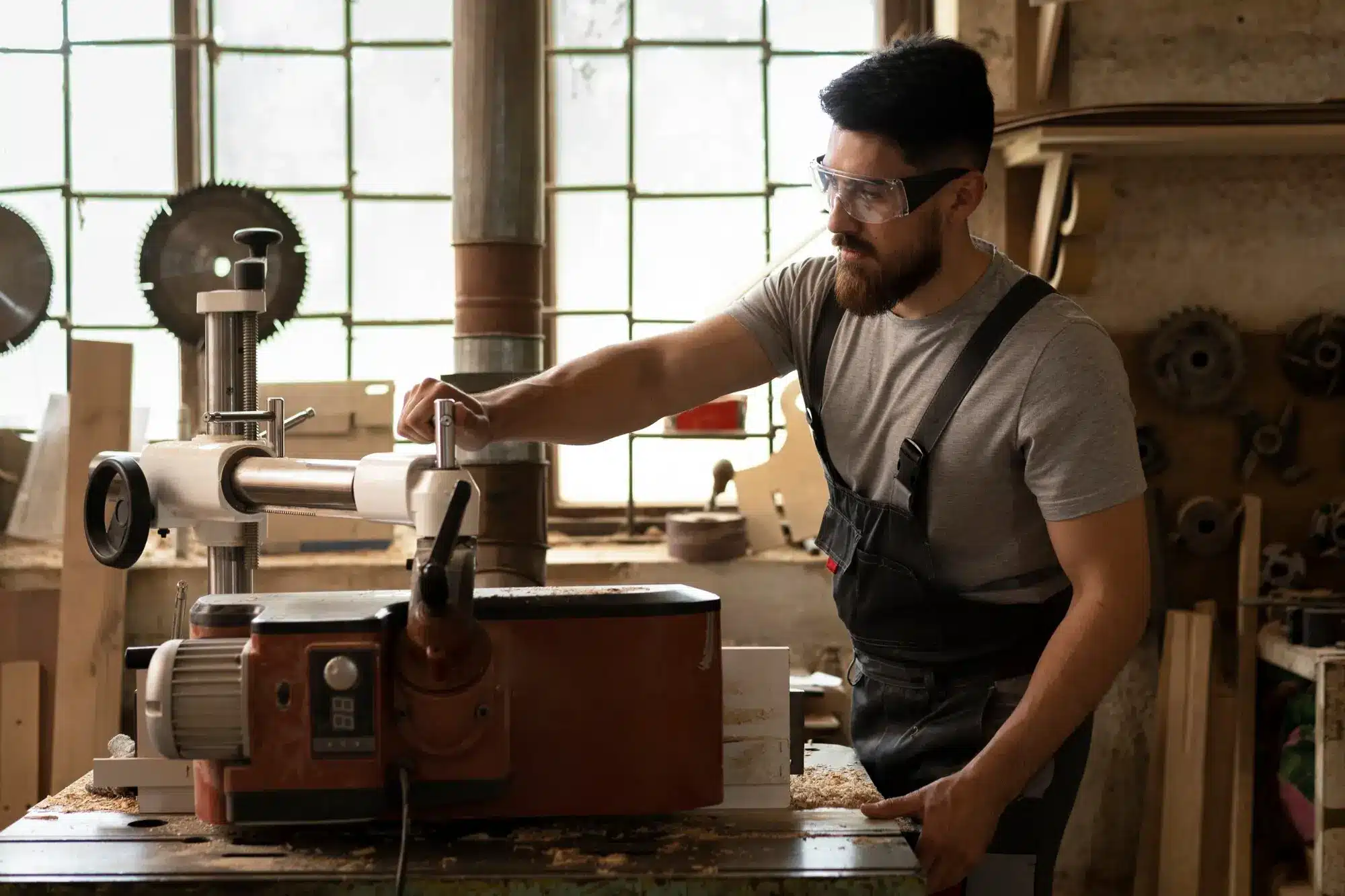
The Next Workforce Revolution Is Here, And It’s Hands-On
For decades, parents, schools, and career counselors pushed one message:
“Go to college if you want a good job.”
But Gen Z, the generation born between 1997 and 2012 is rewriting that script.
Across the U.S., young professionals are choosing trade careers over traditional degree paths, drawn by job security, earnings potential, and the satisfaction of building something tangible.
From CNC operators and electricians to millwork drafters and assemblers, the newest entrants to the workforce are leading a quiet revolution, one that’s reshaping industries once labeled “blue-collar.”
According to McKinsey & Company, U.S. employers face a shortfall of over 2 million skilled trade workers by 2030. But instead of panicking, smart companies are seeing something hopeful: Gen Z is stepping up to fill the gap.
Why Gen Z Is Choosing the Trades
1. Financial Realism Over College Debt
Unlike Millennials, who often equated success with a diploma, Gen Z has witnessed the downside of student loans. With average college debt exceeding $38,000, many young workers are skeptical of four-year degrees that don’t guarantee stability.
Trade careers, whether in millwork production, electrical, or construction technology offer a faster, lower-cost entry into the workforce.
“I didn’t want to wait four years to start earning,” says Ethan M., a 22-year-old CNC operator from North Carolina. “I started my apprenticeship, got certified, and was making $26 an hour within a year.”
That sentiment is spreading fast: in 2025, 42% of Gen Z respondents told ResumeBuilder.com they’d consider skipping college for a trade program.
2. Hands-On Creativity Meets Technology
For this generation, tech fluency is a given. But rather than sitting behind screens all day, many want to apply that knowledge in tangible, creative ways.
Trade fields, especially woodworking, cabinetry, and architectural millwork offer exactly that blend: digital design + craftsmanship.
CNC routers, Microvellum software, and 3D modeling tools allow young professionals to turn ideas into physical products.
Gen Z tradespeople are essentially digital artisans combining the precision of coding with the satisfaction of craftsmanship.
3. Career Stability in an AI World
White-collar sectors are feeling the squeeze from automation.
But many trades remain AI-resilient, requiring dexterity, problem-solving, and real-world judgment that robots can’t replicate.
Plumbers, electricians, fabricators, and millwork technicians are seeing stable or rising demand even as AI reshapes office work.
According to the Bureau of Labor Statistics, skilled trade jobs are projected to grow 6–8% annually through 2030, faster than many corporate roles.
4. Purpose and Pride Over Paychecks Alone
Gen Z craves meaningful work, not just job titles.
They want to see the impact of their effort every day.
That’s why so many young workers find fulfillment in trades: there’s something deeply satisfying about walking into a hotel, office, or home and knowing you built part of that space.
In millwork and cabinetry especially, tradespeople see their work featured in luxury interiors, corporate offices, and architectural landmarks, a source of lifelong pride.
The Top Trade Careers in Demand for 2026
The trade sector is far more diverse than most people realize.
Here’s where Gen Z talent is making the biggest impact, and where hiring demand continues to surge.
1. CNC Operators and Technicians
Why It’s in Demand:
Automation in woodworking and manufacturing has skyrocketed, and CNC specialists are essential to running modern production lines.
Skills Needed:
- CAD/CAM proficiency (Microvellum, Cabinet Vision)
- G-code basics and machine calibration
- Blueprint interpretation
- Problem-solving and mechanical aptitude
Average Pay: $28–$40/hour depending on specialization.
Gen Z Edge: Tech-savvy operators excel at optimizing programs and maintaining precision.
2. Millwork Drafters and Designers
Why It’s in Demand:
Commercial interiors from hotels to hospitals rely on custom millwork. Designers translate architectural concepts into shop-ready drawings.
Skills Needed:
- CAD design and technical drawing
- Material knowledge (veneers, laminates, FSC-certified woods)
- Collaboration with engineers and project managers
Average Pay: $70,000–$90,000/year.
Gen Z Edge: They bring a digital-first mindset, mastering 3D rendering and collaborating virtually.
3. Quality Assurance (QA) Specialists
Why It’s in Demand:
As production scales up, maintaining consistent quality is critical. QA professionals inspect materials, verify measurements, and ensure finishes meet standards.
Skills Needed:
- Attention to detail
- Knowledge of AWI /QCP standards
- Data recording and reporting skills
Average Pay: $60,000–$85,000/year.
Gen Z Edge: Comfortable using digital inspection tools and data dashboards for real-time reporting.
4. Electricians and HVAC Technicians
Why It’s in Demand:
Essential infrastructure roles that cannot be outsourced or automated. Both residential and commercial projects rely on these trades daily.
Average Pay: $24–$38/hour (plus overtime).
Gen Z Edge: Energy-efficient and smart-system training gives them an edge in green-tech installations.
5. Assemblers and Finishers in Wood Manufacturing
Why It’s in Demand:
Every custom product from cabinetry to store fixtures, requires skilled assembly and finishing. These roles are seeing shortages nationwide.
Skills Needed:
- Manual assembly and hardware installation
- Edge-banding, sanding, finishing techniques
- Ability to read detailed shop drawings
Average Pay: $25–$35/hour.
Gen Z Edge: Eager to learn multi-skill workflows and adapt to automation-assisted assembly lines.
6. Construction and Building Materials Specialists
Why It’s in Demand:
As construction rebounds post-2025, demand for skilled workers who understand engineered wood, panel systems, and EWP products is soaring.
Gen Z Edge: Many are pursuing dual certifications combining fieldwork experience with project-management or sustainability credentials.
How Gen Z Is Changing the Image of the Trades
The trades used to suffer from an image problem, seen as “dirty work” or “backup plans.”
Gen Z is shattering that stereotype.
1. Visibility Through Social Media
TikTok and Instagram are now home to creators documenting their woodworking, welding, or fabrication projects, showcasing the artistry behind the trades.
A hashtag like #SkilledTrades or #WomenInTrades can get millions of views, inspiring other young people to pursue similar paths.
2. Gender and Diversity Gains
Women and minority representation in trades is rising.
Programs like NAWIC’s Women in Construction Week and SkillsUSA outreach are helping Gen Z diversify the workforce.
3. Entrepreneurial Spirit
Many Gen Z tradespeople dream of owning small fabrication shops or custom design studios.
They see trades not as jobs but as launchpads for entrepreneurship.
“Once I learned CNC, I realized I could make almost anything, furniture, signage, prototypes,” says Alexa B., 25, a millwork drafter who runs a small Etsy store on weekends.
The Economic Impact – How Gen Z Is Filling the Labor Gap
The skilled-trades shortage isn’t new, but Gen Z’s entry is easing years of decline.
- Over 1 million open trade jobs remain unfilled across construction, woodworking, and manufacturing (BLS 2025).
- Millennials exited these industries faster than they entered.
- Gen Z enrollment in trade schools has risen 17% since 2021.
This shift is critical for sectors like:
- Architectural millwork and cabinetry (precision manufacturing).
- Lumber & building materials (supply-chain operations).
- Construction and installation (on-site skilled labor).
By entering early, Gen Z workers are becoming the backbone of production and sustainability efforts in these industries.
Career Choice Trends – What Gen Z Values Most
Surveys from SHRM and Fortune reveal what Gen Z expects from employers and how that differs from previous generations.
1. Work–Life Flexibility
Even in physical trades, they want predictable schedules and paid time off not burnout.
2. Training & Growth Opportunities
A clear path from apprentice → technician → leader is essential.
Mentorship programs and paid certifications make a huge difference in retention.
3. Sustainability & Ethics
They prefer employers that use sustainable materials, energy-efficient systems, and safe work environments.
4. Technology Integration
Digital design tools, automated production systems, and modern equipment attract them far more than outdated workflows.
5. Respect & Representation
They want to see diversity in leadership and feel proud of their trade identity.
How Employers Can Attract and Retain Gen Z Talent
For shop owners, production managers, and construction executives, recruiting Gen Z requires more than job postings, it demands a shift in culture.
1. Build Training Pipelines
Partner with trade schools, community colleges, and apprenticeship programs (e.g., AWI or WCA).
2. Modernize Work Environments
Upgrade equipment, invest in digital tools, and celebrate innovation.
3. Promote Career Paths Visibly
Show real stories of team members who advanced from shop floor to leadership.
4. Offer Purpose, Not Just Pay
Emphasize craftsmanship, sustainability, and teamwork.
5. Meet Them Where They Are
Leverage social platforms like TikTok, LinkedIn, and Instagram for job awareness campaigns.
The Future – Trade Careers as the New “Smart Choice”
As universities struggle with declining enrollment and tech layoffs make headlines, Gen Z’s decision looks increasingly wise.
By 2030, experts predict skilled trade wages will grow 10–15% faster than average professional salaries.
Millwork, construction, and manufacturing industries are likely to benefit most by combining stable pay with technological innovation.
Gen Z’s entry isn’t just filling gaps; it’s reshaping how the world views skilled work not as “backup plans,” but as the future of meaningful, sustainable careers.
Crafting a Career with Purpose
The story of Gen Z and trade careers is one of rediscovery: finding pride in tangible work, mastery, and community.
Whether operating a CNC router, inspecting cabinetry, or leading an installation team, this generation is proving that the trades aren’t fading, they’re evolving.
As more young people turn away from uncertain corporate paths, woodworking, millwork, and manufacturing stand ready to offer something timeless:
A career you can build with your hands, your mind, and your future.